


By Heather Peters, FNP, and Maggi Birdsell, RD, CDE — adapted from our Elevate Your Health radio segment
About one in eight women in the U.S. will be diagnosed with breast cancer in her lifetime, which means more than 320,000 new cases each year. October is Breast Cancer Awareness Month, and awareness starts with talking about it.
Most of that conversation is about early detection, and for good reason. But we rarely hear the other half: what can you do to lower your risk in the first place? Not every breast cancer can be prevented. Some appear young, before screening even starts, and come down to genetics no one could have changed. Still, roughly 30% of cases are linked to factors we can change. That’s what this post is about.
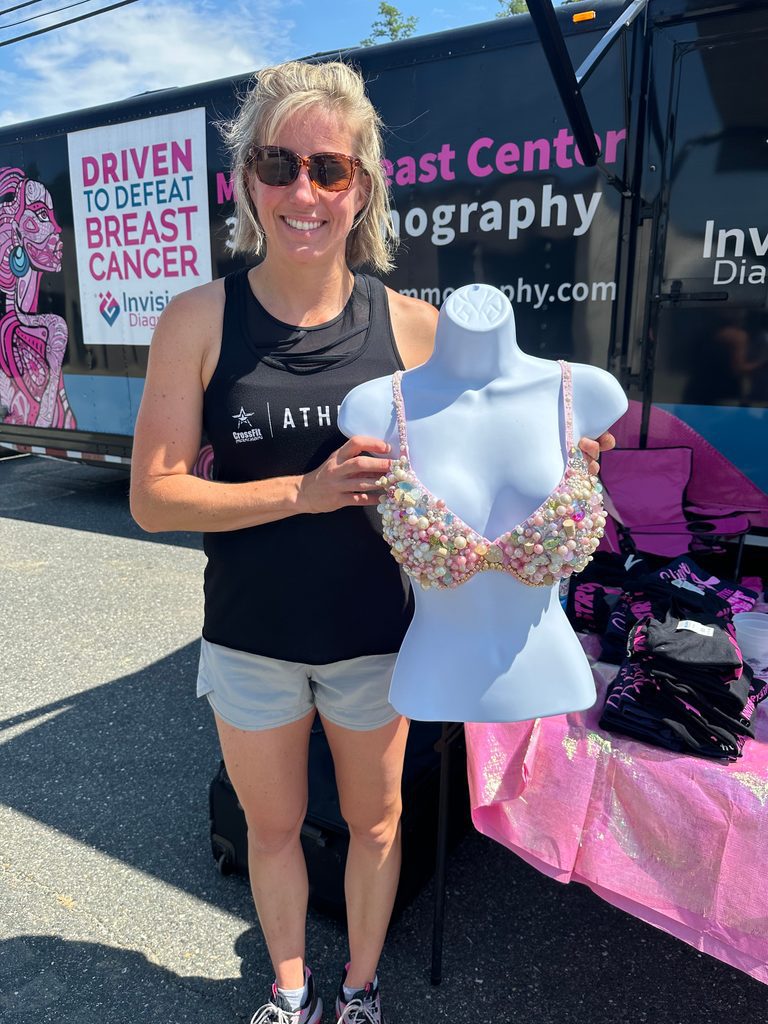
Three lifestyle factors that lower your risk
The thread connecting all three is inflammation. Breast cancer, like most cancers, is closely tied to it, so lowering inflammation is the goal.
1. Rethink the evening glass of wine

Breast cancer has more cases linked to alcohol than any other cancer in the country. One study put it at about 16% of breast cancers.
For many of us, that glass at the end of the day is how we wind down. Try swapping it for something else that lowers stress: call a friend, take a walk, or take some quiet time to switch off. If you still want something in your hand, there are great alcohol-free wines and mocktails now. Of all the risk factors, this is one of the easiest to change.
2. Focus on body composition, not the scale
What matters isn’t what the scale says. It’s what your weight is made of. Studies show that carrying a higher percentage of body fat means more inflammatory markers.
That’s not a call for a crash diet, which drives inflammation up. It’s about steady, thoughtful changes over time:
- Choose grilled over fried.
- Eat more color: berries, leafy greens, vegetables of every shade.
- Add things in rather than taking things away.
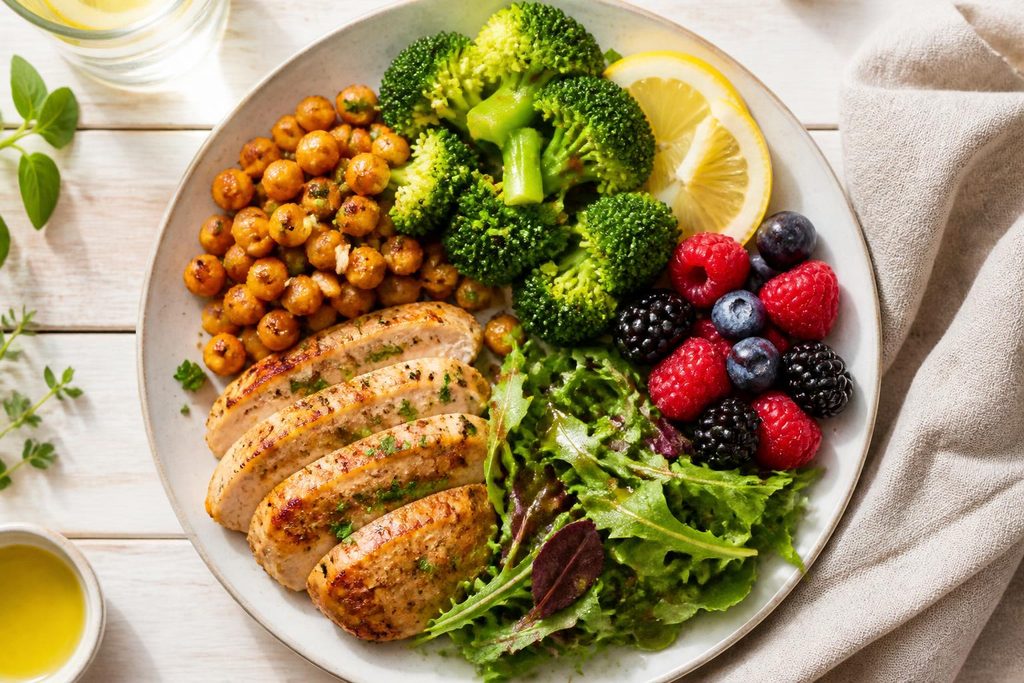
We’re big fans of the Mediterranean way of eating. The Mediterranean region has some of the lowest rates of inflammatory disease, cancer and heart disease. And your taste buds can change, so foods you don’t love today can grow on you.
It takes a little creativity and planning, but not a lot of time. Frozen vegetables are your friend: microwave some broccoli and season it with lemon juice, salt and pepper. One weeknight dinner of ours looked like this: chicken baked with sugar-free barbecue sauce, warmed-up peas, some chickpeas made earlier in the week and a side of pasta salad. Start to finish, it took 15 minutes, with help from a kid in the kitchen.
3. Move with purpose
Steps aren’t the same as exercise. Many of us are on our feet all day, and we stand at our desks, but that doesn’t count as a workout. Build in deliberate movement that raises your heart rate above your normal daily activity. Exercise lowers stress and, over the long term, helps bring inflammatory markers down.
Your October challenge: pick one
Don’t try to overhaul everything at once. Pick one change and stick with it for the month:
- Cut back on alcohol.
- Walk 10 minutes a day.
- Increase your protein.
- Lay out five vegetables in different colors and eat one of them every day for 30 days.
Once it sticks, layer in the next one.
If you’re cooking for a family, try a “vegetable of the month.” Kids often need to taste a new food 10 or more times before they accept it, and adults may need even longer. Work that month’s vegetable into meals a few times a week, prepared different ways, until it becomes part of your family’s regular rotation.
Prevention doesn’t replace screening
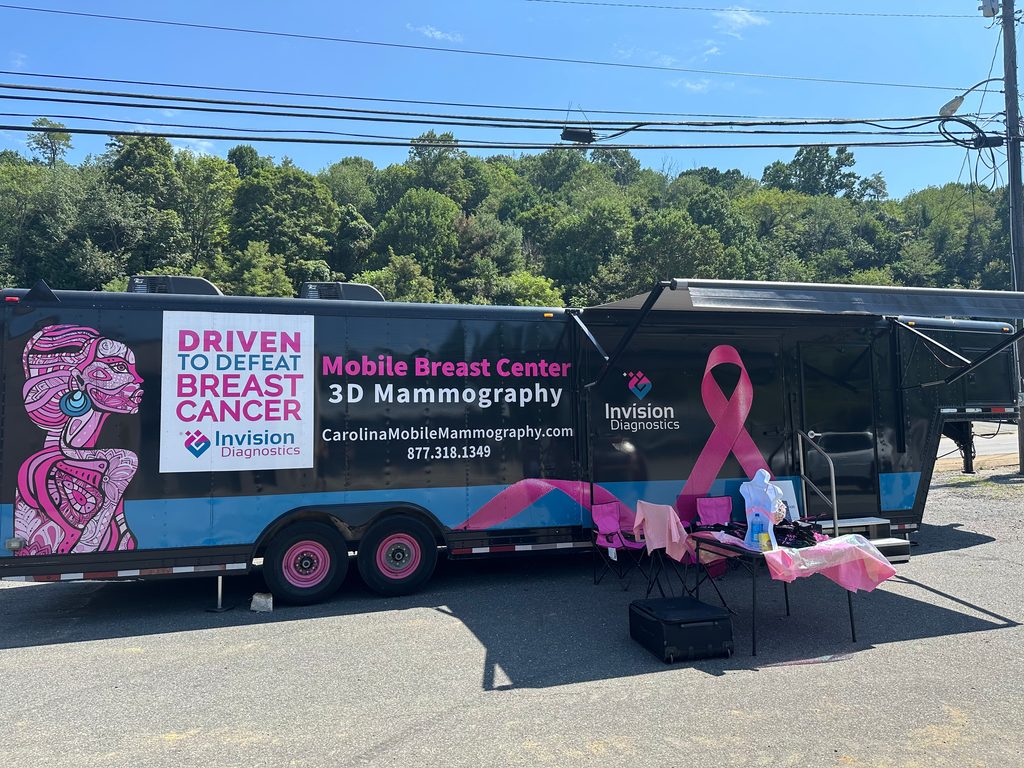
Lowering your risk goes hand in hand with screening; it doesn’t stand in for it.
When to start. Screening mammograms start at age 40. If a first-degree relative, like your mother or sister, has had breast cancer, start at 35.
See a primary care provider every year. A provider who knows you will keep track of when you’re due and follow up on your results.
Do your own monthly self-exam. You know your body better than anyone, and many lumps are first found by the woman herself. Check in the shower and note anything that feels different.
Worried about radiation? A mammogram delivers about 0.4 mSv. We each absorb about 3 mSv a year just from the sun, soil and air. So one mammogram equals roughly seven weeks of natural background radiation, once a year. That’s far less than a CT scan.
Curious about alternatives? Some newer scans are being marketed as alternatives to mammograms. If you’d like help comparing what each one can and can’t detect, text us and we’ll send you that information.
Make it normal for the next generation. Our daughters know when we go for a mammogram, and they ask questions about it. Many of us were nervous before our first one because nobody ever talked about it. Talking openly makes screening less scary for the girls coming up behind us.
Let’s talk
At Elevation Health in downtown West Jefferson, prevention and screening go together. We help with lifestyle changes, keep track of your screenings and coordinate referrals for mammograms and other tests. Learn more, visit: www.elevationhealthpc.com
To learn more, text 336-920-8331 to set up a free meet-and-greet, or call 336-646-7442.
Catch Elevate Your Health on Friday mornings, when we share more tips like these.


+ show Comments
- Hide Comments
add a comment